
Karnataka seeks Centre’s nod for Mekedatu project; Tamil Nadu reiterates objections

Karnataka Chief Minister D.K. Shivakumar has appealed to Prime Minister Narendra Modi to facilitate early approvals for the long-pending Mekedatu balancing reservoir project, a proposal that continues to face stiff resistance from neighbouring Tamil Nadu.
During his recent visit to New Delhi, Shivakumar met the Prime Minister and submitted a letter urging the Centre to expedite clearances required for the project. He pointed out that Tamil Nadu’s review petition challenging aspects related to the project had been dismissed by the Supreme Court and argued that further action now rests with the Union government.
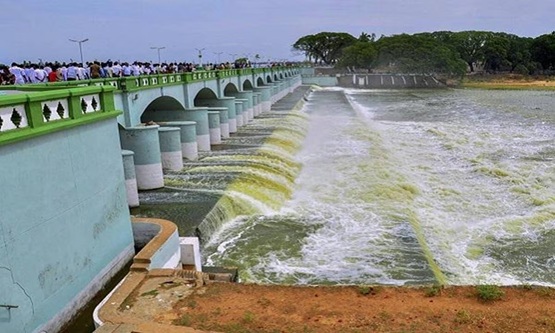
The proposed reservoir, planned across the Cauvery river in Ramanagara district, is intended to strengthen Bengaluru’s drinking water supply while also generating around 400 MW of hydroelectric power. Karnataka has repeatedly maintained that the project will not affect the quantity of Cauvery water allocated to Tamil Nadu.
However, Tamil Nadu has consistently opposed the proposal, expressing concerns over its potential impact on downstream water availability and inter-state water-sharing arrangements. Karnataka, meanwhile, has indicated that it will continue preparations to submit an updated Detailed Project Report for consideration.
Shivakumar has also approached Union Finance Minister Nirmala Sitharaman, seeking support for securing the final forest-related clearances pending with the Ministry of Environment, Forest and Climate Change.
In a communication sent to the Prime Minister last month, Tamil Nadu Chief Minister Vijay reiterated the state’s opposition to the Mekedatu project. He questioned the consideration being given to Karnataka’s proposal by the Ministry of Jal Shakti and the Central Water Commission despite Tamil Nadu’s objections.
The Tamil Nadu Chief Minister further stated that decisions concerning the project fall within the jurisdiction of the Cauvery Water Management Authority (CWMA) and the Central Water Commission (CWC), and asserted that these bodies alone are empowered to examine and decide on matters related to the proposed reservoir.