
E20 fuel rollout sparks concerns among Indian motorists

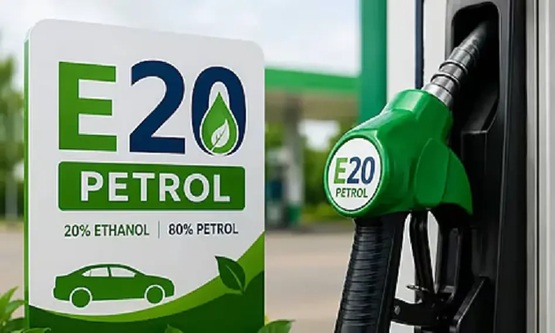
India’s move to make petrol blended with 20% ethanol (E20) the standard fuel nationwide has triggered debate among motorists, with many expressing concerns about vehicle compatibility and fuel efficiency.
The government has been increasing ethanol blending over the years as part of its strategy to reduce crude oil imports, support domestic agriculture and lower carbon emissions. Earlier this year, E20 became the standard petrol available at fuel stations, replacing the earlier E10 blend.
Although regular petrol without ethanol blending is still sold, it is often considerably more expensive, leading many consumers to choose E20 instead. Some vehicle owners have since raised concerns online, reporting issues such as reduced mileage, engine performance and increased maintenance costs.
These concerns recently led to a protest in Delhi, where motorists argued that the transition had been implemented too quickly and left owners of older vehicles with limited alternatives.
The central government has rejected claims that E20 damages engines, stating that extensive testing was carried out before introducing the higher ethanol blend. Officials have also launched awareness campaigns to counter what they describe as misinformation circulating on social media.
Several major automobile manufacturers have also defended the rollout. Representatives from leading car companies said years of testing and service records have not shown widespread engine damage in vehicles using E20 fuel.
However, manufacturers acknowledged that vehicles may experience a small reduction in fuel economy because ethanol contains less energy than petrol. While automakers estimate the loss at around 3% to 3.5%, some independent studies suggest the decline could be greater under certain driving conditions.
Supporters of the policy argue that greater ethanol use reduces India’s dependence on imported crude oil while creating additional demand for crops such as sugarcane and maize, benefiting farmers and strengthening energy security.
Critics, however, point out that a large proportion of vehicles currently on Indian roads were not originally designed for E20 fuel. Industry analysts estimate that many older vehicles may not be fully compatible with higher ethanol blends, leading some owners to remain cautious until more long-term data becomes available.
Automobile workshops have reported mixed experiences, with some mechanics observing no significant issues while others say they have encountered cases that owners believe are linked to the use of E20 fuel.