While Tamil Nadu Fights Delhi Over NEET, One Free Coaching Centre in Magudanchavadi Has Already Closed the Gap

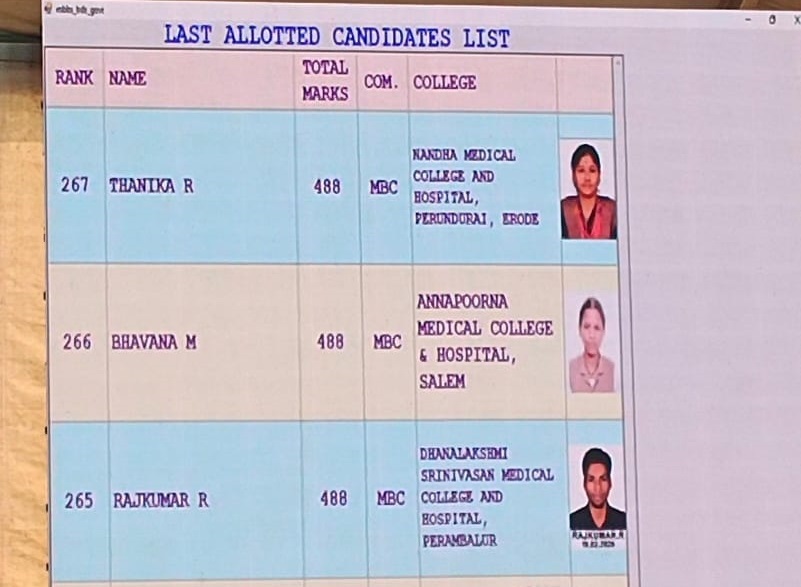
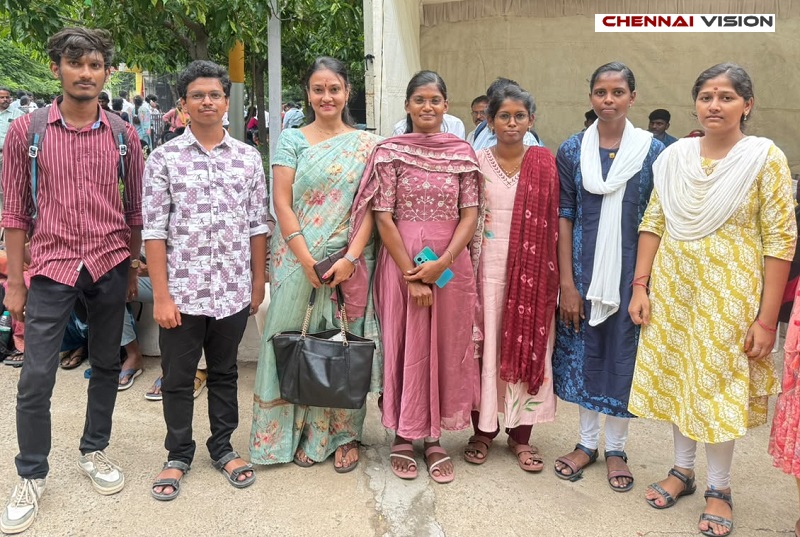
As the state Assembly presses the Centre to abolish NEET for disadvantaging rural, Tamil-medium students, six students from one village-run coaching centre have just secured their MBBS seats.
NEET remains one of the most contested exams in Tamil Nadu politics. The state Assembly passed a unanimous resolution this month urging the Centre to abolish it, after President Droupadi Murmu withheld assent to the state’s own NEET exemption bill; the government’s Justice A.K. Rajan Committee has found the exam favours affluent, English-medium, urban candidates over government school and Tamil-medium students, exactly the students it disadvantages most.
While that legal and political fight continues in Delhi and the courts, one free coaching centre in a small village has already been closing that same gap, student by student.
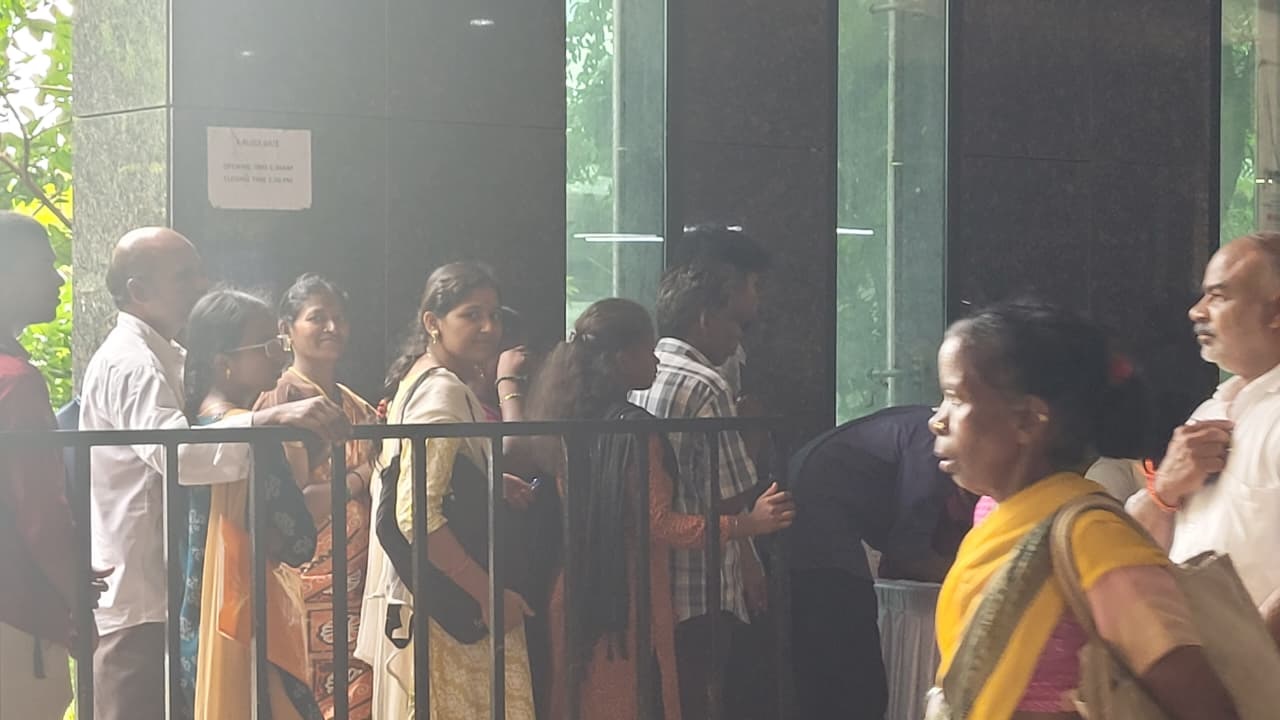
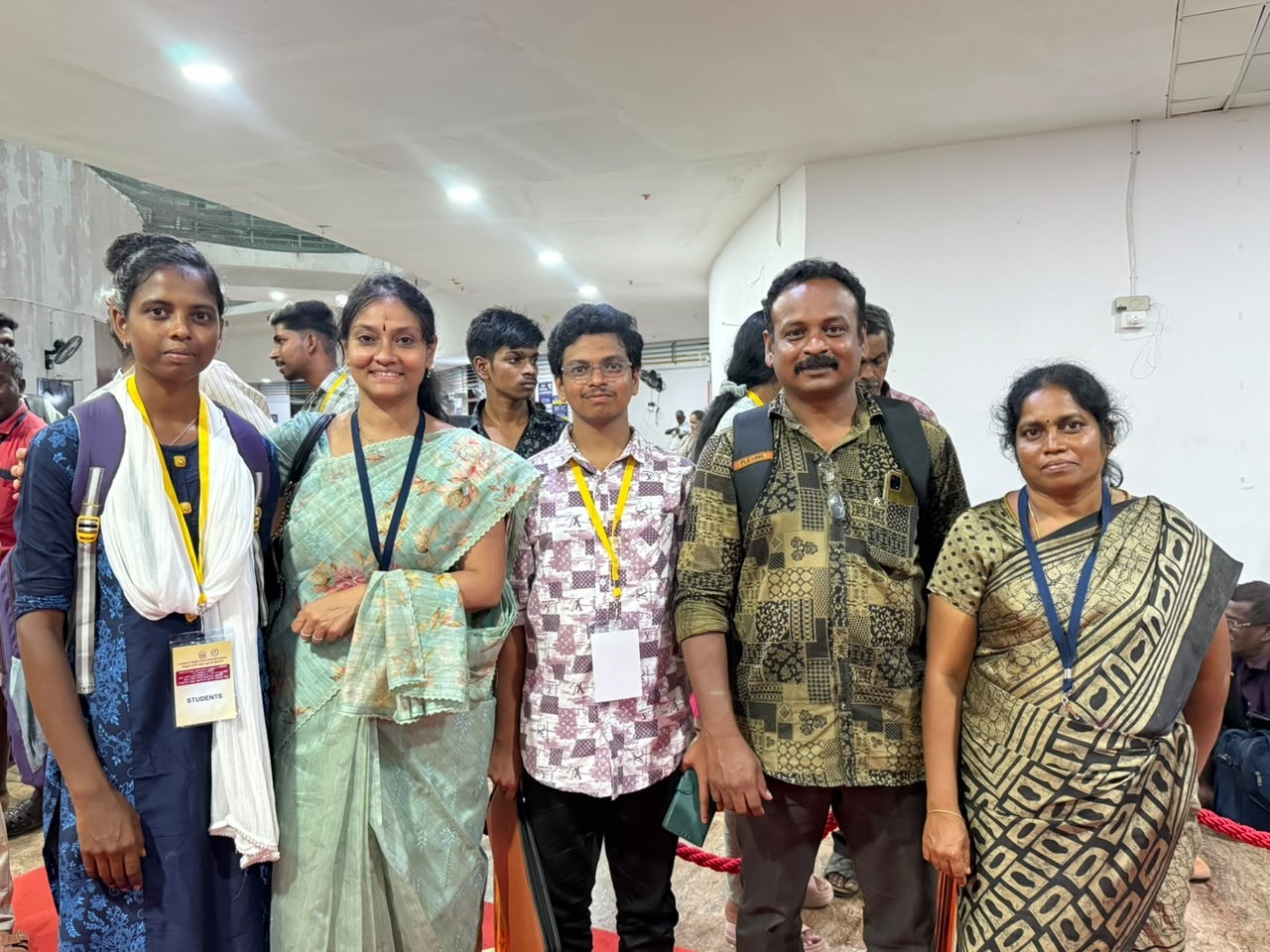
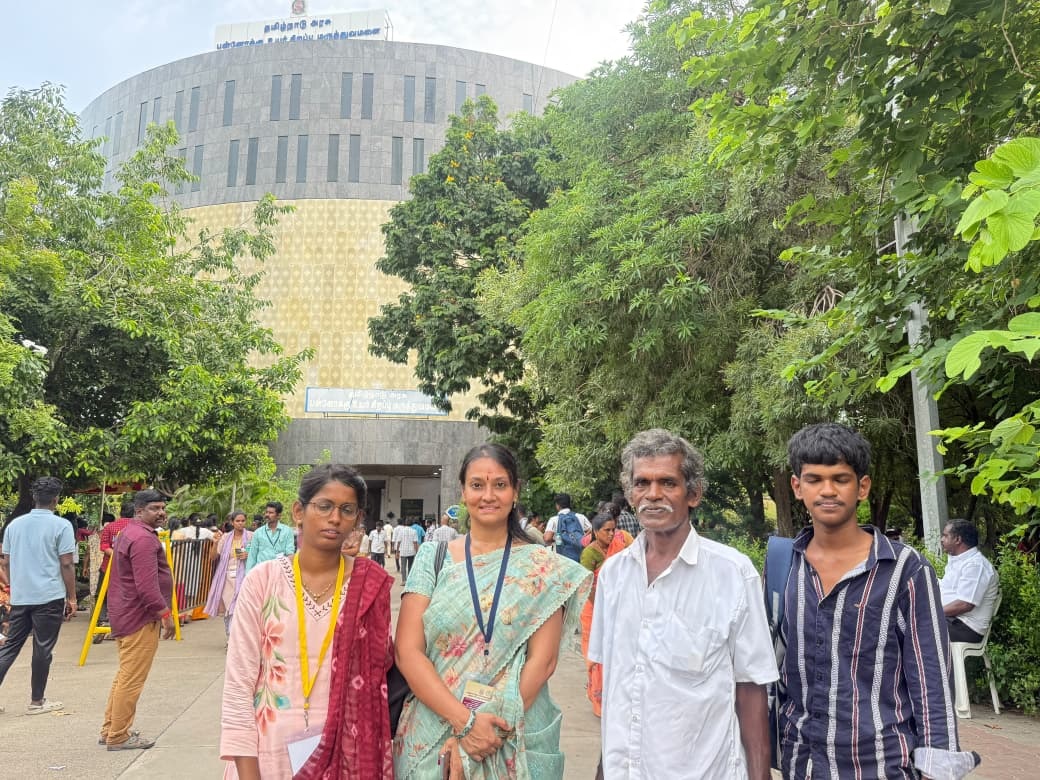
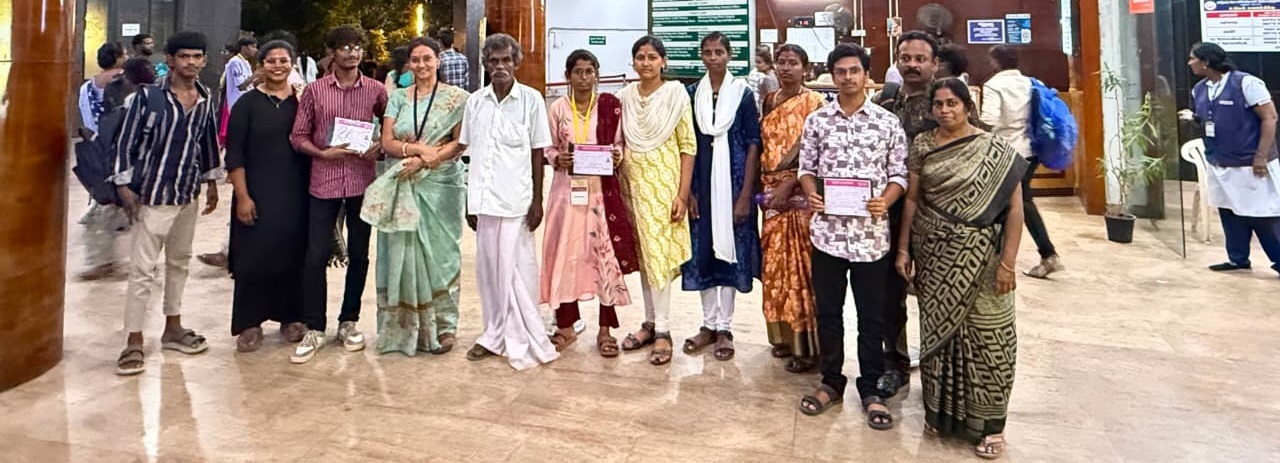
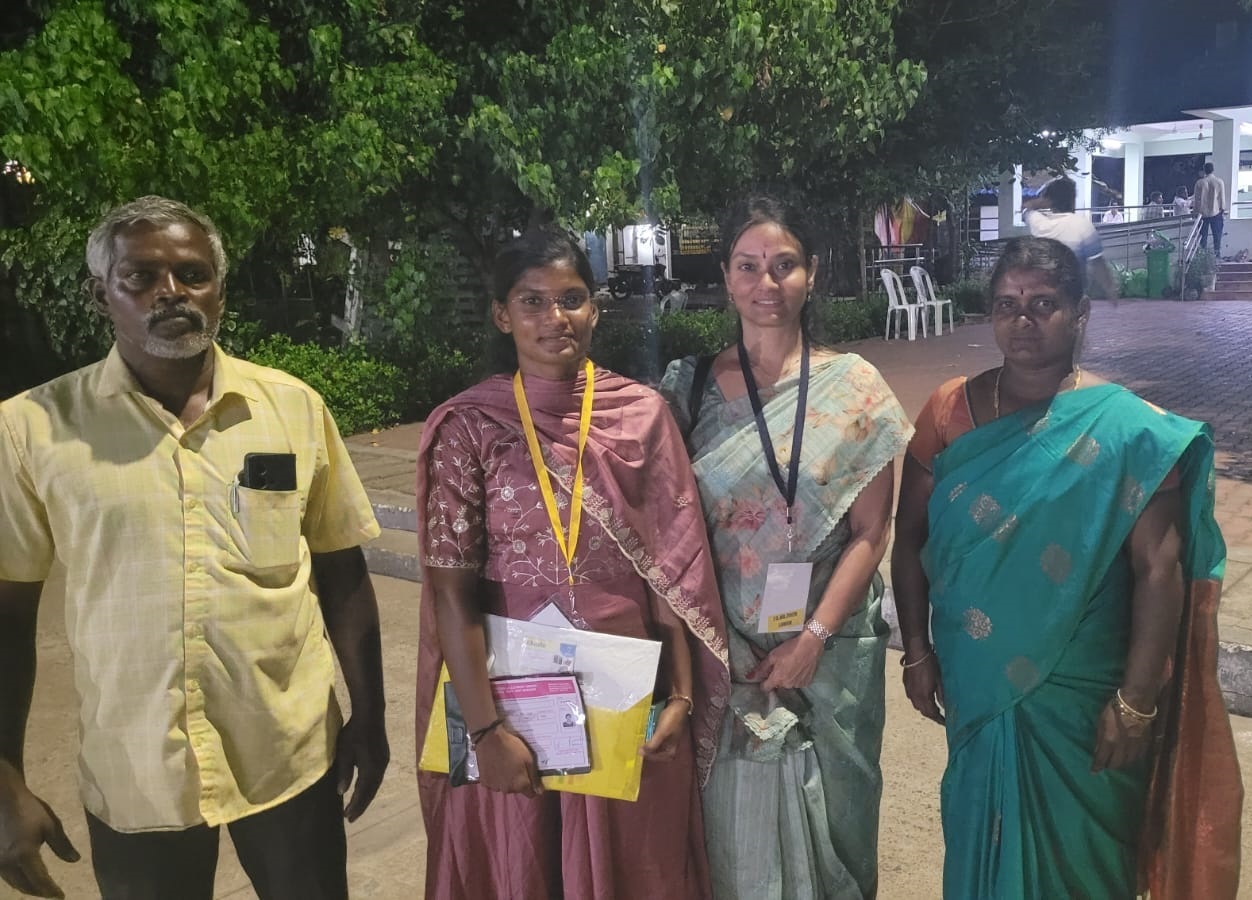
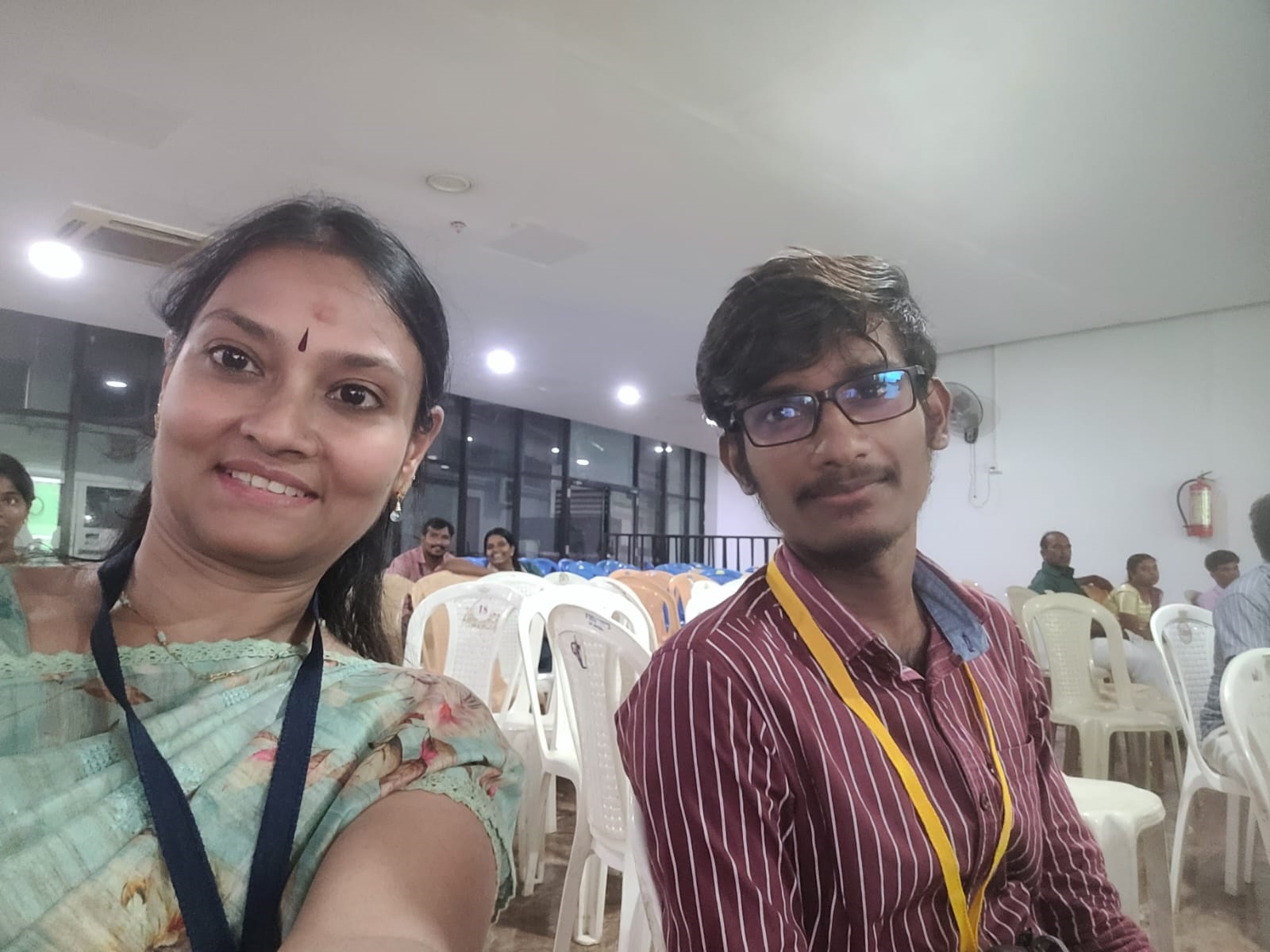
At around 8.45 pm on 13 August, as NEET counselling wound down outside the Omandurar Government Estate Hospital campus, Mrs. Gayathri Ananthakrishnan sat alone in her car taking in what a year of work had delivered: six students from her free coaching centre, all from small Tamil Nadu villages, had secured MBBS admission. “That night was a validation of a year of commitment, perseverance, near give-up moments, shared struggles and shared dreams,” she said. “From our homes in our villages, to the classrooms in Magudanchavadi, to the corridors of medical colleges — one incredible journey.”
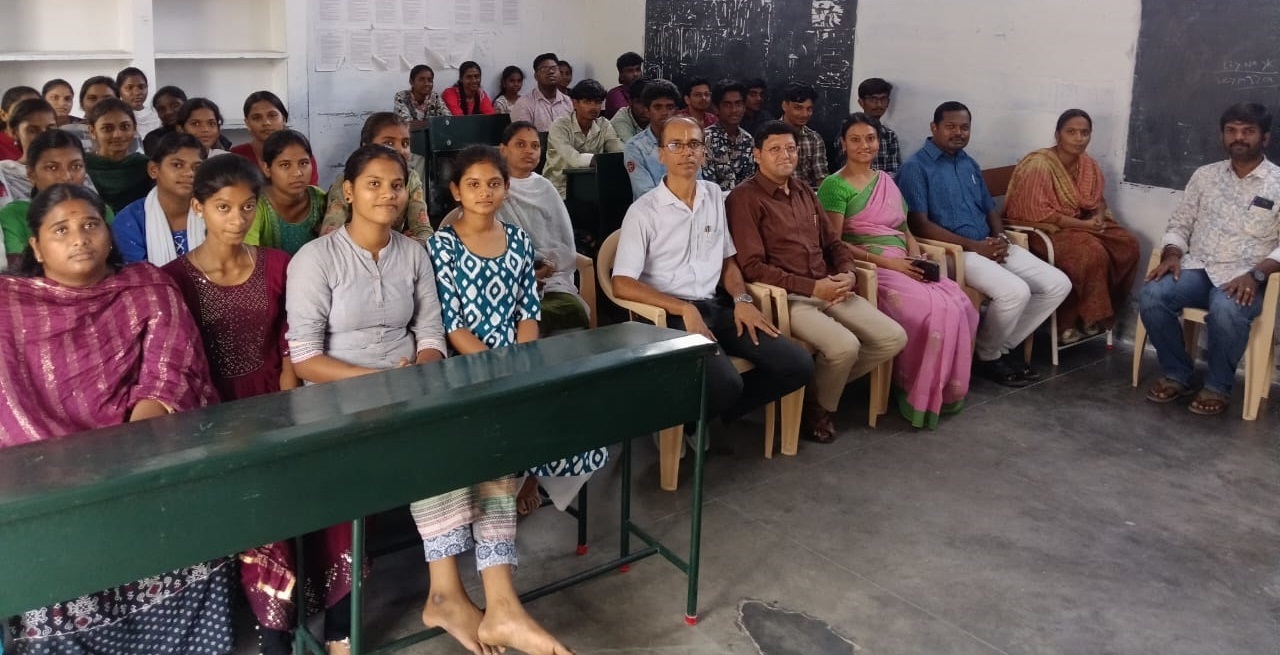
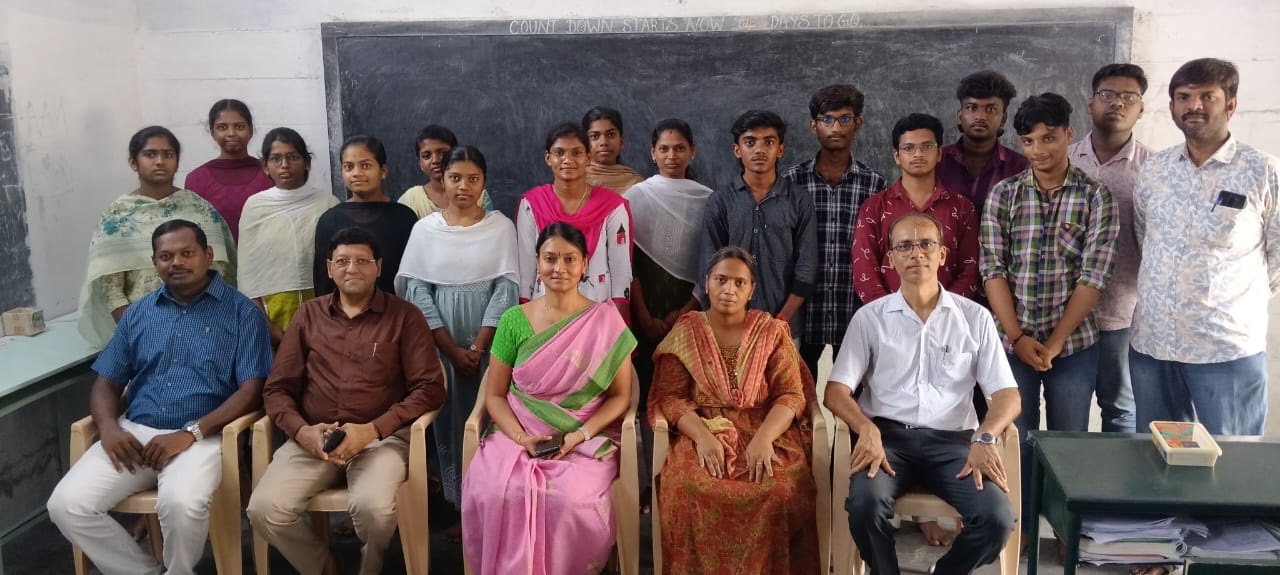
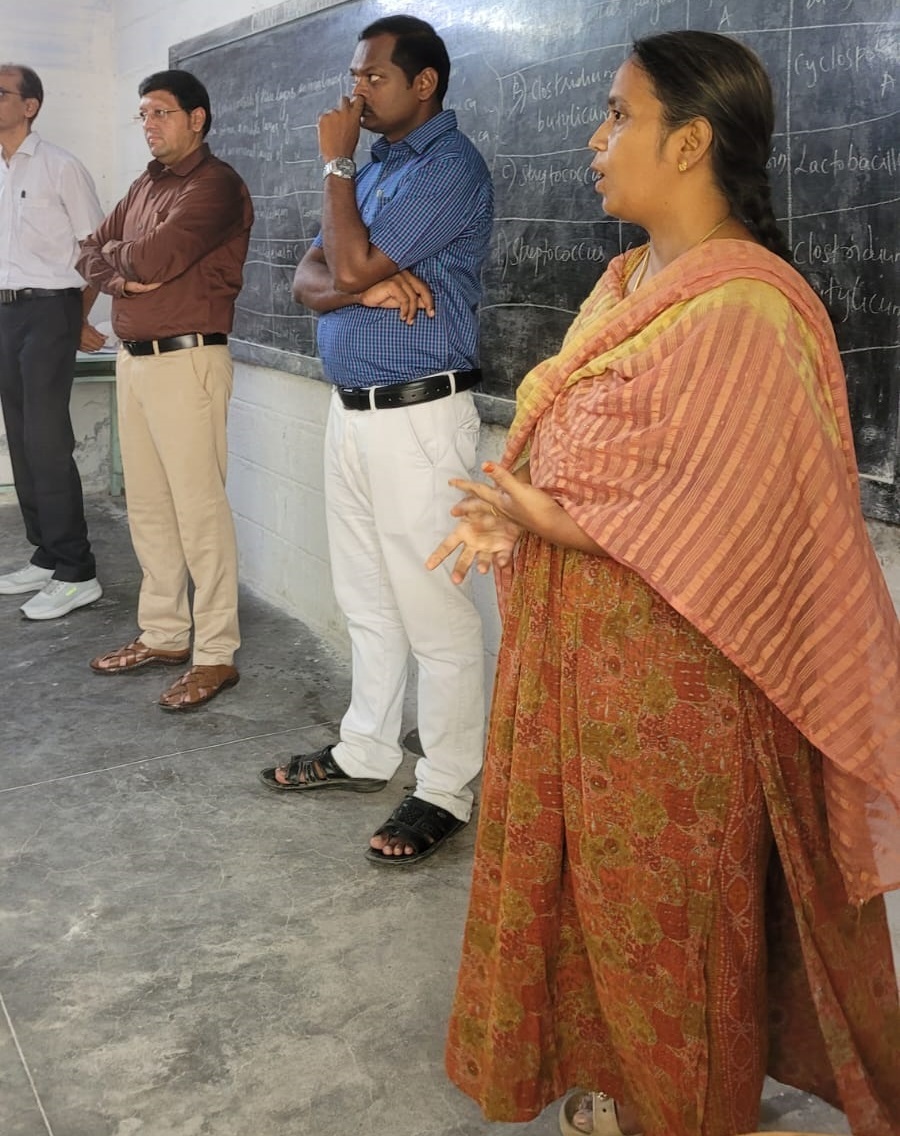
The Shanmuganathan Kanagavalli Charitable Trust’s centre, which Mrs. Gayathri heads, was started in 2024 by M/s Ganga Hospitals Coimbatore, the year her own son sat the exam, serves students from villages including Siluvampalayam, Goundaneri and Vellandhivalasu. Some travelled two hours each way to attend class before working odd jobs and studying at night; a hostel facility was added for girl students facing the steepest climb. “The barriers were rarely about drive or passion,” Mrs Gayathri said, “but access: no coaching nearby, no way to pay fees, a shortage of material in Tamil, and, for girls especially, a lack of encouragement to keep trying.”
Teaching was tailored to each student, Tamil medium or English medium, with weekly tests and Wednesday review meetings. One Tamil-medium student summed up her own struggle simply: “Question purinja thaanae, answer solla mudiyum, madam” — only once I understand the question can I answer it. “It was a struggle, not an exam on equal footing,” Mrs Gayathri said. “What made the difference was the shared dream between student, parent and teacher.”
Mrs Gayathri thanked Ganga Hospital, Coimbatore, for its CSR support, along with consultants Mr Sathish and Mr Rajesh, faculty members Mr Senthil, Mr Sakthivel and Mr Thilagam, coordinator Mr Arun Thangaraj and typist Ms Suganya. “I’m sure these children will pay it forward,” she said, “and soon what started as a ripple will be a wave.”