
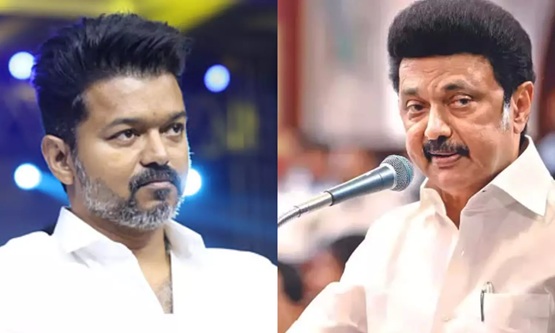
Political tensions in Tamil Nadu intensify between TVK and DMK

The legal proceedings over the Karur stampede case coincided with a fresh political confrontation between the ruling Tamilaga Vettri Kazhagam (TVK) and the opposition Dravida Munnetra Kazhagam (DMK).
The Supreme Court agreed to urgently hear a plea alleging that certain ministers of the Tamil Nadu government, who are accused in the Karur stampede case, have attempted to influence witnesses during the Central Bureau of Investigation (CBI) probe. A bench of Justices Ahsanuddin Amanullah and Sheel Nagu scheduled the matter for hearing on July 7 after the petitioner sought witness protection and raised concerns over possible interference in the investigation.
The plea argued that while providing compensation to families affected by the tragedy is appropriate, many of those beneficiaries are also key witnesses in the ongoing investigation. It expressed concern that direct interactions between government representatives and potential witnesses could affect the fairness of the probe. The application also referred to reports of Chief Minister C. Joseph Vijay’s proposed visit to Karur later this week as part of a government relief programme.
The legal challenge follows earlier objections raised over public remarks made by senior TVK leaders regarding the stampede. The opposition has maintained that comments made while the investigation is underway could influence public perception and witnesses connected to the case.
The Karur stampede, which occurred during a political gathering in September 2025, claimed the lives of 41 people and led to a CBI investigation following directions from the Supreme Court. The case has remained a major point of political dispute, with both the ruling party and the opposition blaming each other for the circumstances that led to the tragedy.
Meanwhile, another political controversy emerged after the DMK alleged that a commemorative plaque bearing former Chief Minister M.K. Stalin’s name at the second phase of the Nemmeli desalination plant had been removed ahead of Chief Minister Vijay’s scheduled visit. The opposition described the move as an attempt to erase the contribution of the previous government to a major public infrastructure project.
The desalination facility, commissioned in 2024 with a capacity of 150 million litres per day, was developed to strengthen Chennai’s drinking water supply, particularly in the southern suburbs and IT corridor. While the DMK accused the government of replacing the project’s original recognition with political branding, officials denied that any plaque had been removed.
The latest developments add to the growing political rivalry between the two parties. In recent weeks, the DMK has accused the ruling dispensation of attempting to induce opposition legislators to defect and has raised concerns over alleged misuse of official machinery. A delegation of the party also submitted a memorandum to the Governor seeking an independent inquiry into these allegations.
With the Supreme Court set to hear the witness protection plea and political exchanges continuing over government projects and administrative decisions, the confrontation between the ruling TVK and the opposition DMK is expected to remain at the centre of Tamil Nadu’s political landscape in the coming days.