
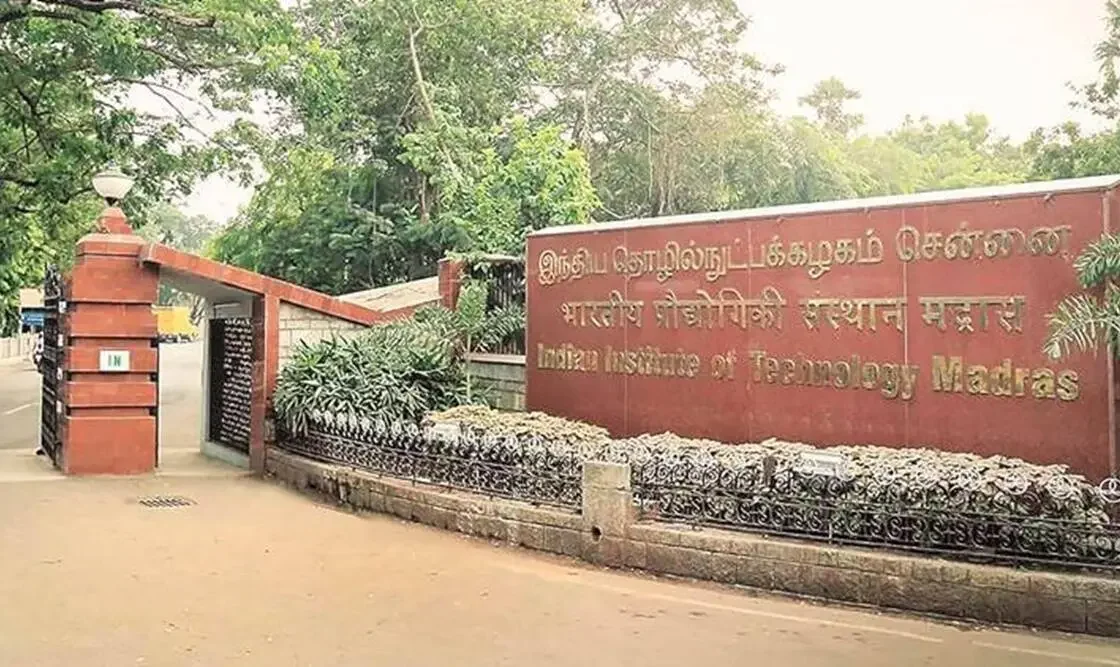
IIT Madras releases first-of-its-kind cancer genome database of Indian patients

IIT Madras on Wednesday released a first-of-its-kind cancer genome database covering paediatric leukaemia, colorectal and pancreatic cancers and cancers that together account for a substantial share of mortality in the country.
The initiative, unveiled on World Cancer Day, aims to address India’s long-standing under-representation in global cancer genome studies and improve diagnosis and treatment outcomes through population-specific genomic insights.
Developed under the Bharat Cancer Genome Atlas (BCGA) and the clinician-centric Bharat Cancer Genome Grid (BCG2), the publicly accessible database (bcga.iitm.ac.in) provides anonymised whole genome sequencing data from Indian cancer patients, enabling researchers and clinicians in India and abroad to study genetic mutations unique to the Indian population.
The current release comprises genomic data from around 1,500 sequenced cancer samples, with whole genome sequencing carried out at IIT Madras.
About 30 per cent of the samples were collected from hospitals in Tamil Nadu, while the remaining samples were sourced from medical institutions across different parts of the country, including the North-East, such as Mizoram, ensuring representation of India’s genetic diversity.
According to a recent Indian Council of Medical Research report, one in nine Indians is likely to develop cancer in their lifetime, with cancer incidence rising by nearly 13 per cent annually since 2022.
Despite this growing burden, India lacks comprehensive genomic datasets that reflect its genetic diversity, often forcing clinicians to rely on treatment protocols developed using Western population data.
Project coordinator S Mahalingam, Head of the Centre of Excellence on Cancer Genomics and Molecular Therapeutics at IIT Madras, told TNIE that the database would help identify actionable mutations that can guide targeted therapies.