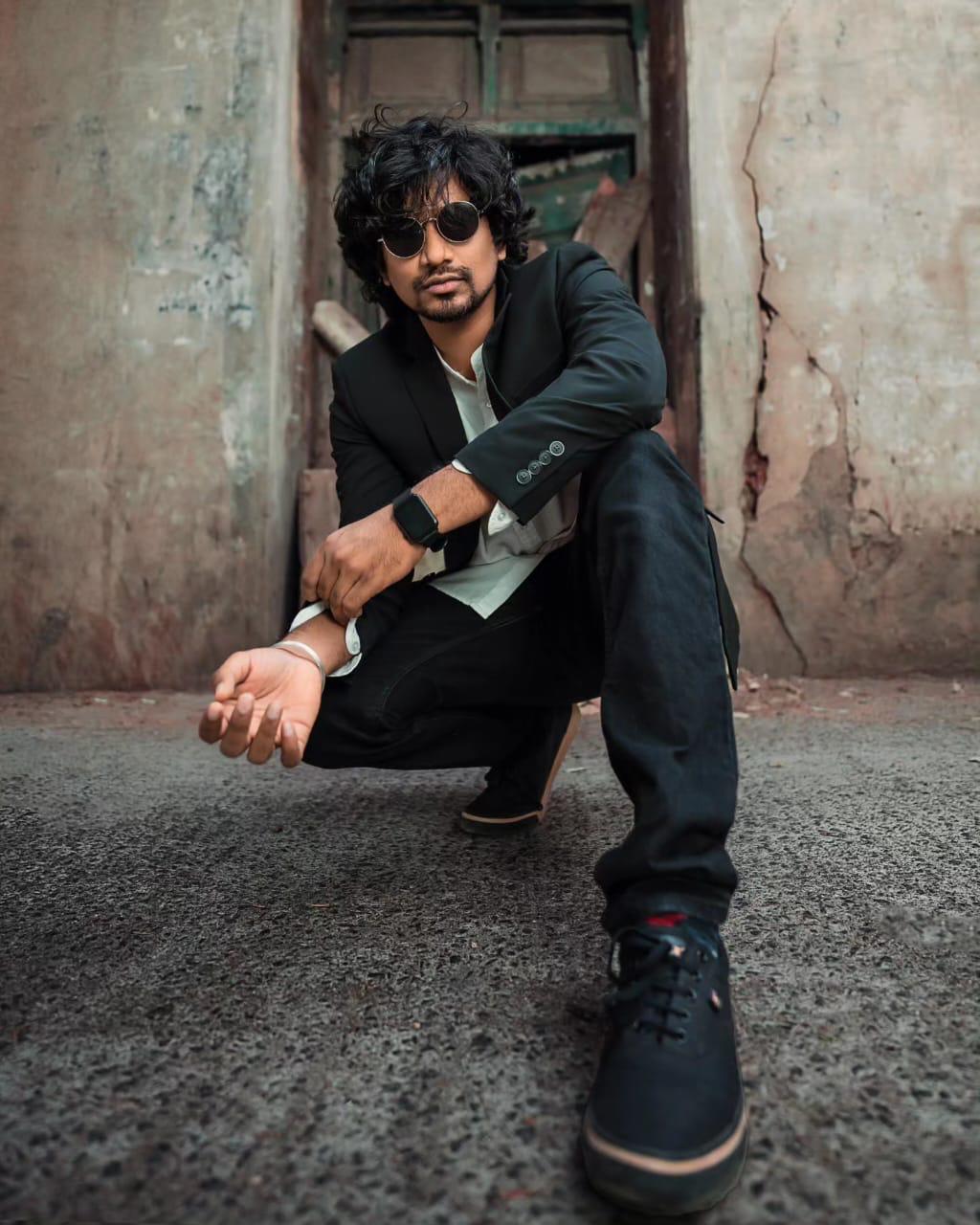
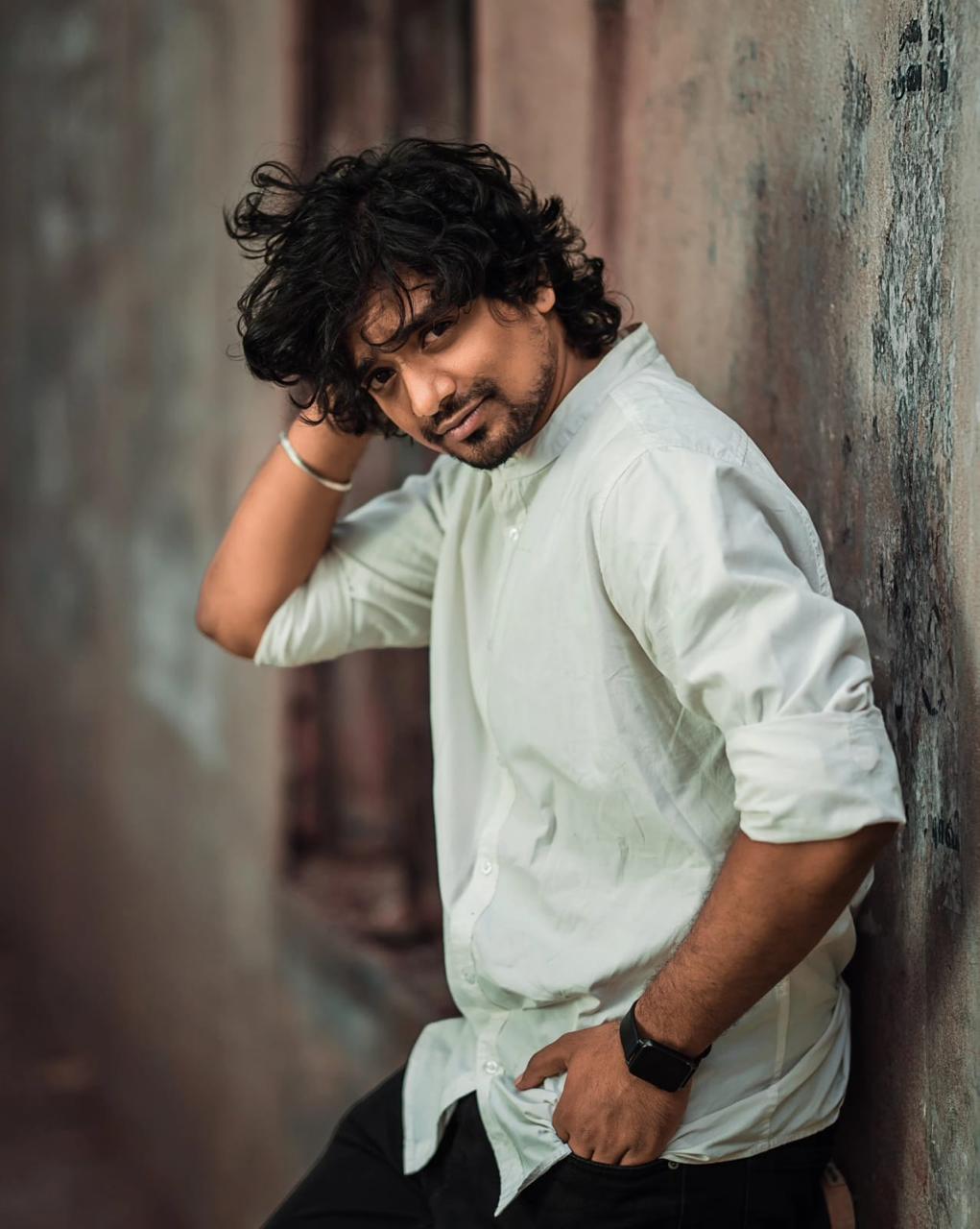
Vaibhav Murugesan Isn’t Chasing Noise. He’s Building Presence.
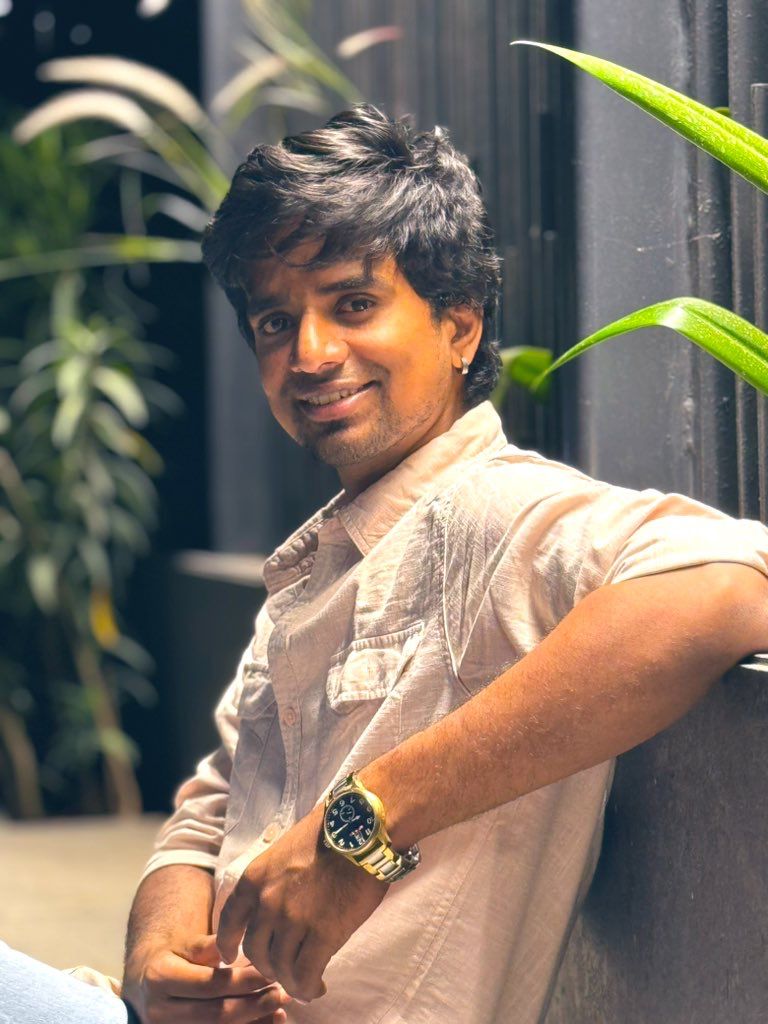
In an industry that often rewards instant visibility, Vaibhav Murugesan’s journey feels refreshingly different. His rise in Tamil cinema has not been powered by spectacle, but by something more enduring: patience, preparation, and a quiet but unmistakable screen presence. Now seen in the lead role in Yellow, Vaibhav is emerging as one of the promising young faces to watch—not because he arrived loudly, but because he has steadily made himself impossible to overlook.
Long before cinema began noticing him, performance had already found its way into his life. His relationship with acting started early. Even in school, he found himself drawn toward performance, he did tamil and English theatre plays since he was 6 years old. As a child, Vaibhav was drawn to dance, inspired by iconic performers such as Michael Jackson and Prabhu Deva. Over time, that instinct for movement grew into a deeper fascination with acting and storytelling. And by the time he was studying at SASTRA University, that interest had become more serious. Short films became his early training ground—an important phase that allowed him to explore the craft, sharpen his instincts, and understand the discipline the screen demands. He took professional acting courses and workshops to improve his craft.
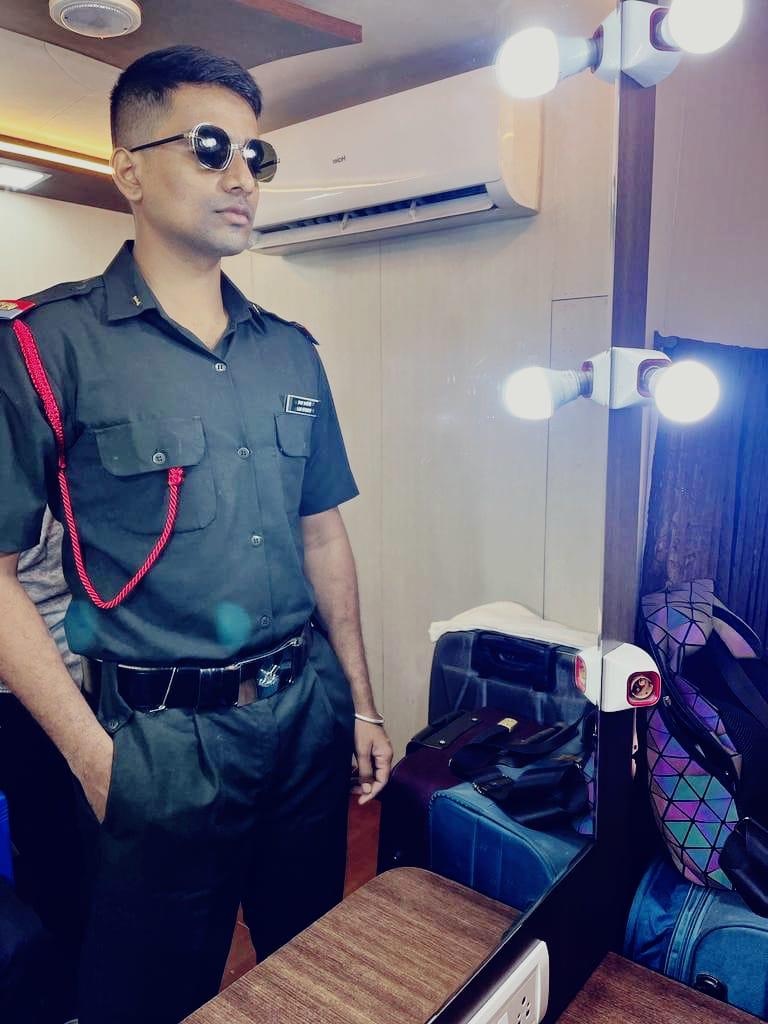
The transition from aspiring performer to working actor, however, was far from effortless. Before lead roles and recognition came smaller appearances, brief screen time, and a long stretch of waiting. He made his entry into mainstream Tamil cinema with a small role in Petta, Vaibhav reminisces, “Witnessing Mr.Rajinikanth up close in petta and see him work, set a bench mark on how an actor should be on sets and that set my ethics in my profession”. This was followed by appearances in films such as Dharala Prabhu, Netrikann, and Comali. In Kathir, he took on a supporting role that was noticed for its sincerity. These were not headline-making parts, but they mattered. In a competitive industry, those few minutes on screen became opportunities to leave an impression. Behind them were auditions, rejections, uncertainty, and the kind of persistence that rarely gets written about enough.
One of the clearest turning points in his journey came with Vadhanthi. Selected from nearly 500 artists during an open audition process, Vaibhav’s casting in the web series marked more than just a professional win—it validated years of endurance. His role as Jones Durai brought him wider recognition and signaled that he was no longer just passing through the frame; he was beginning to hold it. He later appeared in Amaran as Sivakarthikeyan’s friend, and then came Hey Leela, the web series in JFW that significantly boosted his popularity, particularly among younger audiences. He has also done music videos like “neeye charanam” and “tea vibes” featuring in leading music labels like Sony music South and Saregama respectively. With each project, his visibility grew—but more importantly, so did the sense that he belonged.
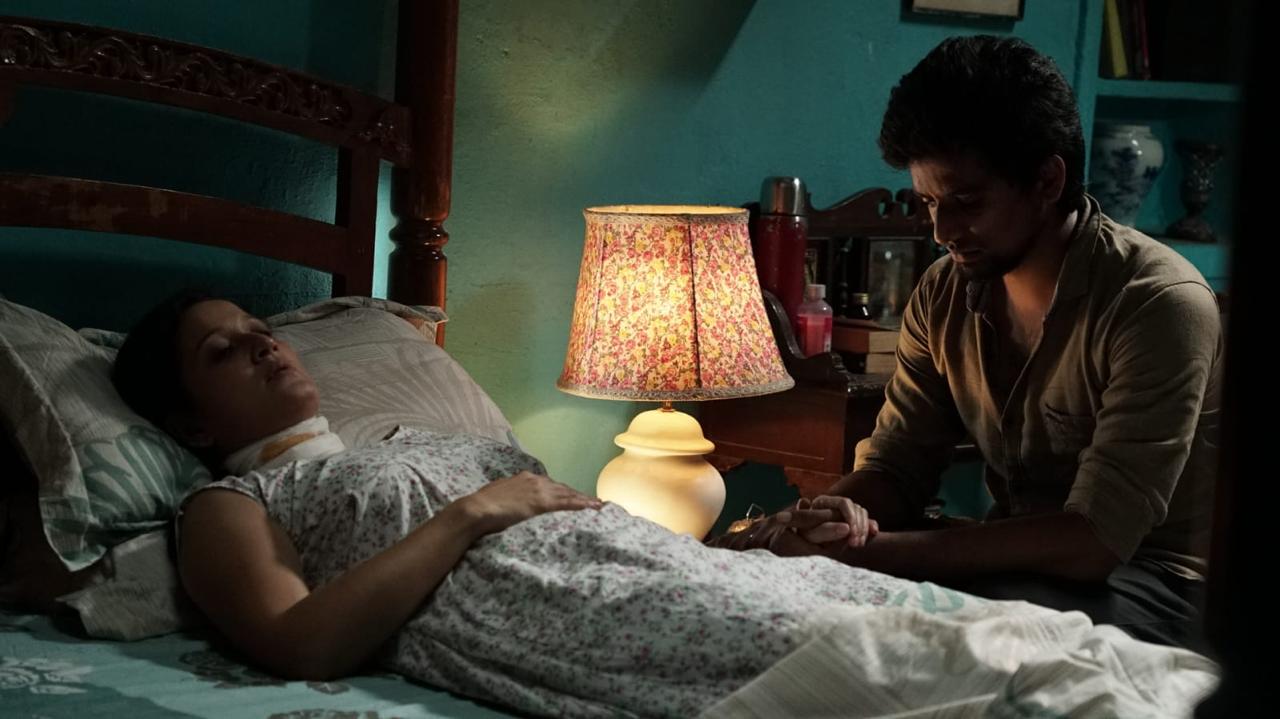
That evolution becomes even more evident in Yellow, directed by Hari Mahadevan and co-starring Poornima Ravi. In the film, Vaibhav delivers a performance described as simple, realistic, and emotionally expressive—qualities that often resonate more deeply than overt dramatics. His calm, pleasant screen presence, especially in emotional moments, appears to be one of his defining strengths. It is the kind of quality that cannot be manufactured easily: a sense of ease that invites the audience in rather than demanding attention from them.
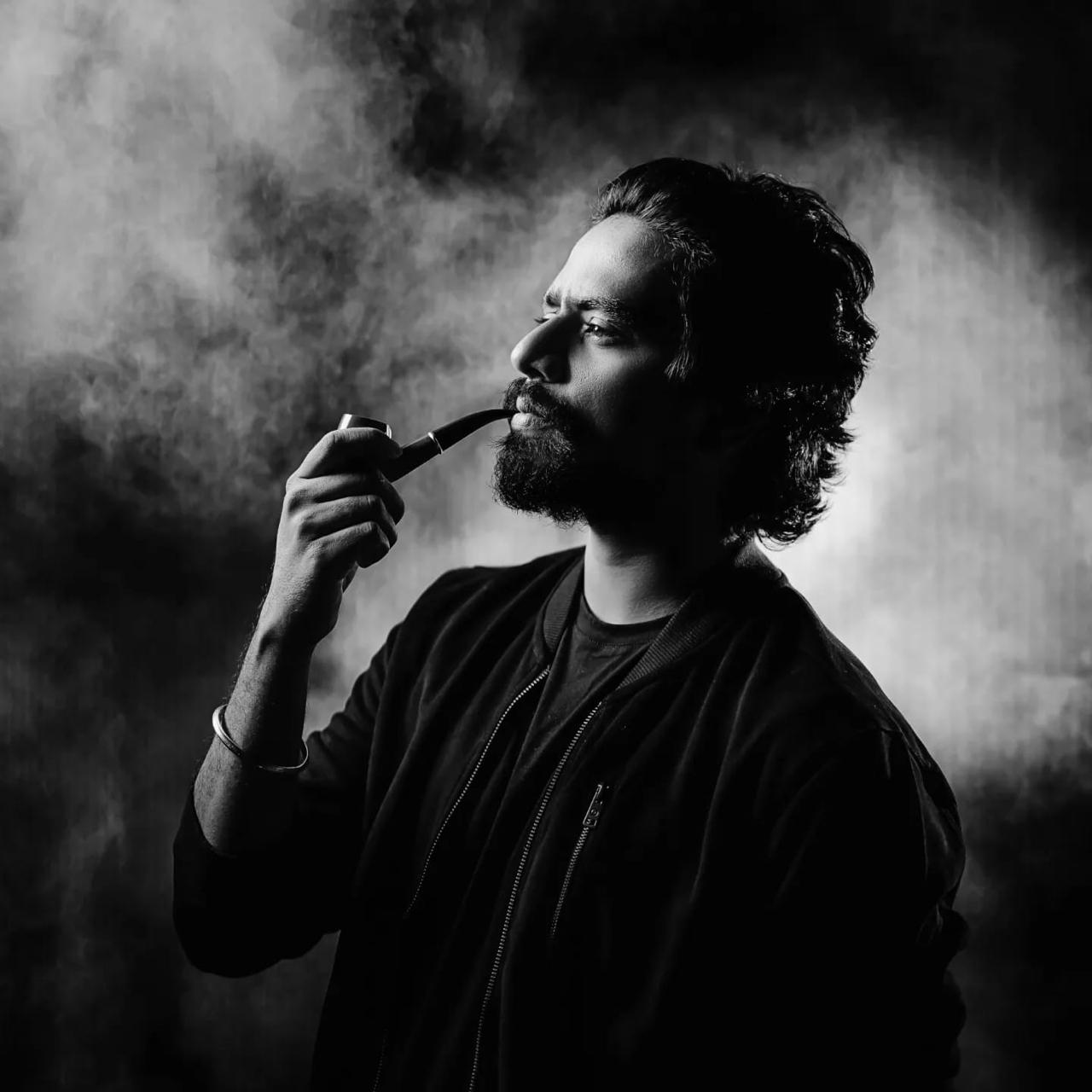
Off screen, Vaibhav’s artistic identity is equally layered. He is a trained dancer, musician, and singer, and has also trained in horse riding and Silambam. That versatility suggests a performer committed not just to opportunity, but to readiness. It also hints at the kind of actor he may continue becoming—one who brings physicality, rhythm, and range into every phase of his work. His love for music, shaped in part by an early admiration for Yuvan Shankar Raja, and his interest in working with composers such as Santhosh Narayanan and Sai Abhyankar, reveal an artist who sees cinema as a fully immersive medium rather than an isolated craft.
Recognition, too, has started to follow. For his role in Yellow, Vaibhav received Anna University’s Techofes-T Award for Best Debut Hero of 2025, an acknowledgment that marks an important milestone in his career. Awards do not define an actor, but at the right moment, they can affirm that the journey is being seen. In Vaibhav’s case, it feels like a meaningful signal of momentum.
There is ambition in his journey, certainly, but there is also restraint, sincerity, and the sense of someone who understands that a lasting career is built role by role, choice by choice. He appears to be aiming for more than visibility; he is aiming for connection—for the kind of relatability that allows audiences to not just watch him, but believe him.
In a film culture that is always searching for the next breakout name, Vaibhav’s ascent feels less like a sudden moment and more like the beginning of a meaningful trajectory. From dance and short films to supporting roles, web series recognition, and now a lead performance drawing attention, his journey reflects a performer growing into his space with both discipline and heart. And that may be what makes his rise worth watching.